Are you seeing this?
The (in)visibility of London Trans+ Pride

This Saturday, London Trans+ Pride will weave its way through the West End, awash with pink, blue and white flags, and flowers pinned to shirts or worn in hair. The flowers are symbolic, worn to honour the transgender, non-binary, gender non-conforming and intersex people who came before, and those who never got the chance to grow old. Founded in 2019, London Trans+ Pride is noticeably more radical than its more established counterpart, Pride in London: I cannot envision the latter having “We believe in love and rage” as one of its defining philosophies. As the corporate financing Pride in London relies upon dries up – the UK Pride Organisers Network has reported that three-quarters of British Pride events saw sponsorship decline this year – it’s worth asking what the money was actually buying. Evidently, the rainbow lanyard was never proof of safety or solidarity, only a bet that queerness had become profitable enough to be worth the risk.
Queer people – trans people in particular – never needed a corporation to teach them visibility cuts both ways. The same exposure that builds solidarity also makes you a target, and no amount of rainbow-washing could alter that fact. We have seen this play out, in increasingly deranged fashion, over the past decade. Trans life has never been subject to such intense public scrutiny – debated in Parliament and gleefully mocked by seasoned columnists who should know better than to punch down – and rarely has it felt more dangerous simply to exist. It is no longer a question of whether trans people should be visible: they already are, in bizarre disproportion to their lived impact. The real question is what kinds of visibility are available, who controls them and what is demanded in return for being seen.
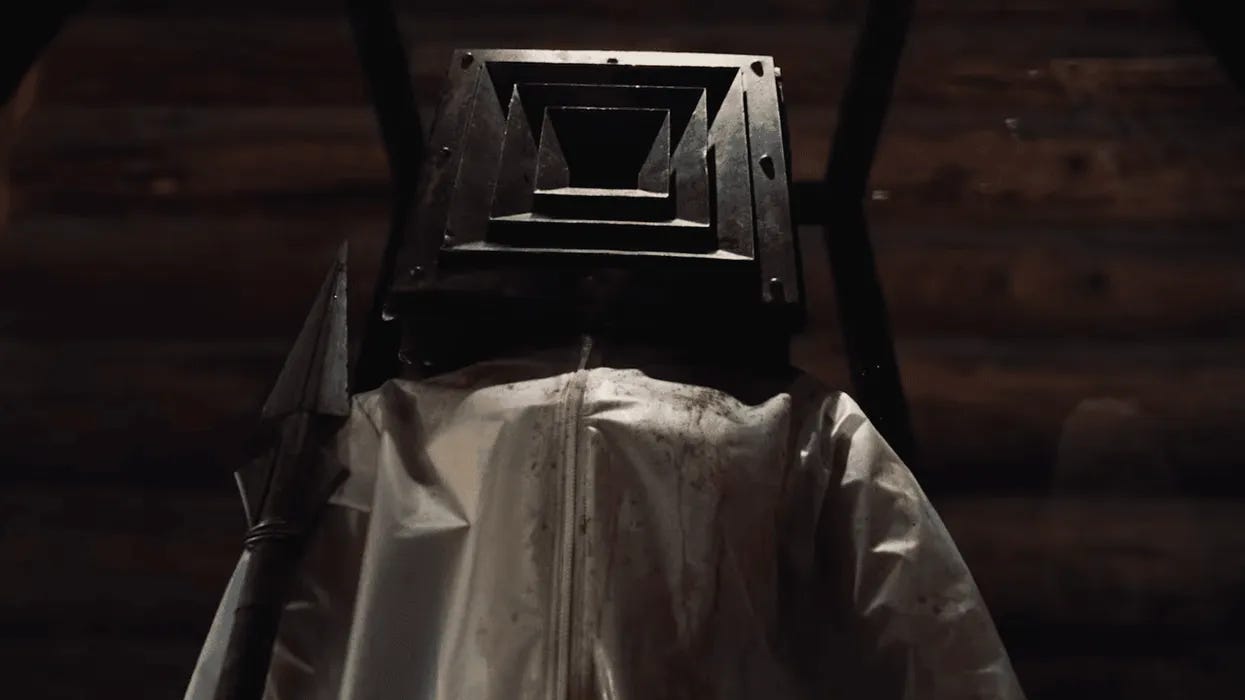
In August, Jane Schoenbrun, one of the only established trans filmmakers currently working in cinema, will release her new slasher film Teenage Sex and Death at Camp Miasma. A loving ode to its genre, the film’s villain is a diminutive impaler named Little Death, a trans teenager at the titular camp who was murdered by campers in a hateful attack. Masked and brandishing a spear, Little Death periodically rises from the bottom of the lake in which they were drowned to enact revenge on the next batch of hapless teenagers. Nodding to the French euphemism for orgasm, “la petite mort”, the film positions the character as a kind of libertine, an embodiment of the possibilities of erotic and gender freedom. Neither a tragic victim nor a straightforward avenger, Little Death is cute, practically bouncing their way through the film’s bloody decapitations with the ease of someone who has slipped beyond the categories that once governed their life.
Yet beneath Little Death’s impish exterior is a troubling notion: it took death to escape the braying public’s demand for disclosure. It’s a remarkably dark fantasy: most – but sadly, not all – people don’t get out of the bind of being seen by ceasing to exist. We have landlords, doctors and passport control to deal with, a reasonable wish to take public transport without being hate-crimed. The living answer is less drastic: in defiance of tribunals, grumpy X accounts and ballot initiatives, over 100,000 people are expected to march across central London on Saturday. Nobody there needs to justify why they are wearing flowers pinned to their shirts. The point is not that trans people should refuse to be known; it’s that the terms of knowing shouldn’t be set by tribunals, newspapers and journalists with weekly syndicated columns whingeing about being silenced.
Little Death, joyfully skipping after their next victim, has no interest in anyone’s terms but their own. It’s a fiction, a violent one, but perhaps that’s the appeal: a trans character who explains themselves to nobody, who, when confronted, will slice your head off and swim away. I’ve heard worse metaphors for freedom.
Matteo Pini
MORE IN YOUR TANK
JOIN HERE
Next Tuesday, join us at TANK GPS for the next edition of the Aleph Book Club, where we’ll be discussing Evelyn Waugh’s caustic masterpiece Decline and Fall over drinks and snacks. Spots are limited, so listen to the book on Aleph and book your place here.
READ HERE
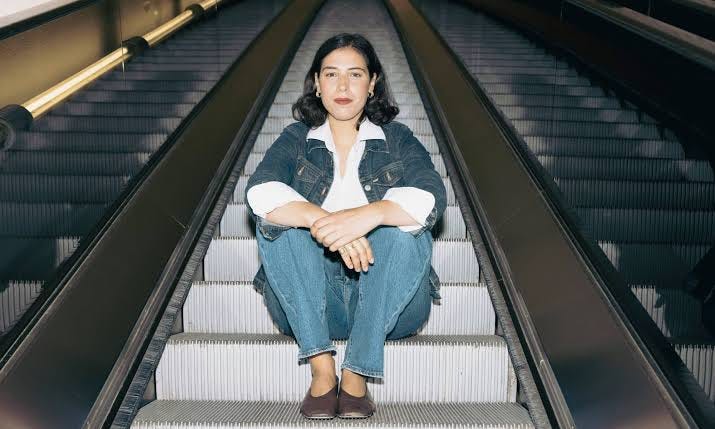
“You could see classical music’s contemporary function as an antidote to extreme forms of communication and visual media.” Music educator and presenter Daria Challah on finding energy in contemporary classical music.