Die another day
In search of eternal youth at the Wellcome Collection
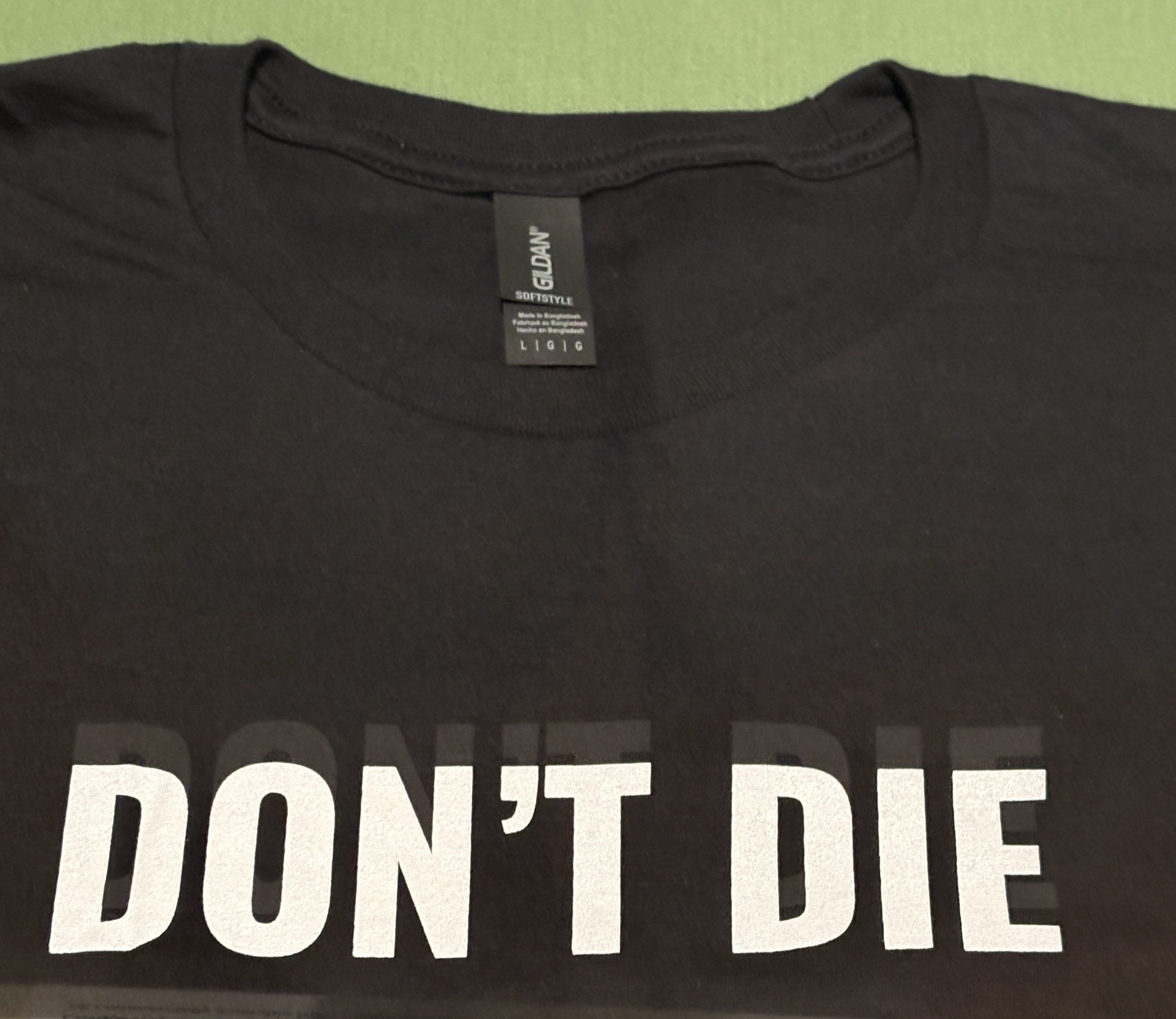
On Sunday afternoon, Bryan Johnson, the milky-skinned millionaire and self-appointed avatar of contemporary vampirism, livestreamed himself smoking DMT on a custom-made website, immortals.com. The stunt – part of a project that has so far involved teenage blood transfusions and penile shockwave therapy – lands squarely in the sweet spot between Silicon Valley optimisation and absurdist clickbait that has defined his public career thus far. Johnson’s trip report suggested none of the transformative, ego-obliterating power promised by psychedelic evangelists like Steve Jobs or the peace-and-love mythology of the Grateful Dead. He emerged instead to announce that the experience had given him “so much more motivation to work on ‘Don’t Die’”, his anti-ageing movement – hardly a cosmic revelation. For Johnson, psychedelic revelation and the grinding work of self-preservation turn out to be the same thing.
Today, to live long is not necessarily to prosper, as argued by The Coming of Age, the new exhibition at the Wellcome Collection, which includes Johnson’s DON’T DIE t-shirt among its 150-odd objects. What links the exhibition’s materials is a prevailing sense of anxiety, the sense that today, to grow older is to inherit a world in steady, unglamorous decline. It opens with a solid silver sake cup, once gifted to all Japanese citizens who reach 100 years of age; today, they are made of cheaper alloys as the milestone becomes too common to honour. Today, as the milestone grows routine, they’re stamped from cheaper alloys – a small demotion reflecting larger indifference. In the frenzied quest for longer life, a crucial question has been quietly, persistently deferred: what will that life actually feel like to live?
The question of ageing cuts differently depending on who is asking it. For Johnson and his Silicon Valley counterparts, ageing is a problem to be solved with enough money, data and self-discipline. The moral structure beneath the biometrics is an essentially Protestant one, in which death is not a natural endpoint but a failure of effort. The show’s most arresting work makes said failure feel newly strange. A video about hydra – the small, jellyfish-like animals believed to be biologically immortal – lingers on creatures that do not optimise, discipline or track. Able to regenerate themselves indefinitely, reverting to earlier cellular states, these barely-there animals can survive a nuclear winter, but only because, at their most vital, they are basically indistinguishable from something dead.
Buddhist traditions that have long pursued bodily transcendence understood this implicitly: to approach deathlessness, you must first relinquish the very things that make a life feel like one. The cult of the self, that which Johnson so desperately wants to save, is exactly what immortality, in its only proven form, requires you to abandon. By placing Johnson alongside centuries of human reckoning with mortality, the Wellcome Collection performs a quiet act of deflation. Here is the latest in a very long line of people who did not want to die. The line, so far, has a perfect record of failure.
Matteo Pini
MORE IN YOUR TANK

LOOK HERE
Playtime never ends: Zacharie Lewertoff and Diana Sträng’s shoot from TANK’s Spring issue brings out the child in us all.

READ HERE
“Where cruising was once clandestine and geographically specific, on Sniffies, it is gamified, like a particularly horny version of Pokémon Go.” Gay culture has never been more visible – or more safe. Matteo Pini explores the erosion of transgression in an era of apparent liberation.